Pieces · Entry 05
Sequencing a record
The running order is not a playlist. It is the final compositional decision.
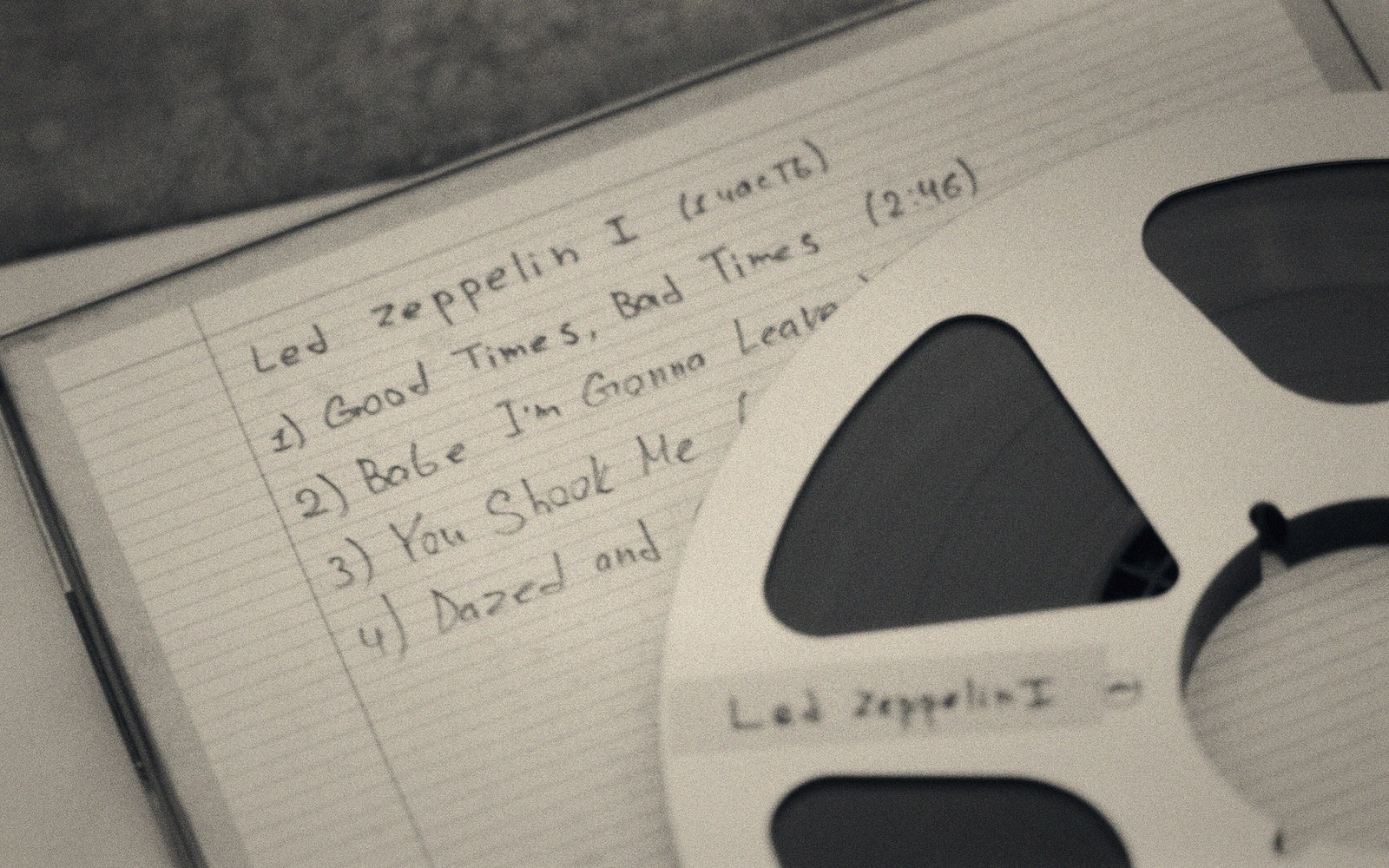
The order changes what you hear
A piece that opens an album conditions everything that follows. The listener carries its texture into the next track whether they mean to or not — the sonic residue of the first item sets the room temperature for the second. This is not metaphor; it is psychoacoustics. Auditory context shapes the perception of what comes after it.
For records assembled from shellac, location recordings and prepared instruments, sequencing carries particular weight. There is no harmonic progression, no key relationship, no melodic arc to rely on as connective tissue. What holds the record together is duration, density and surface character — and the order is where those forces are arranged into something that behaves like an argument.
The blunt decisions come first: where does the stillest piece sit? Not necessarily last. A long fade placed early can act as a clearing, a moment of low pressure that makes the next entry land harder than it would have at the start. Conversely, opening with the densest material burns through the listener's threshold early and leaves everything else feeling spare.
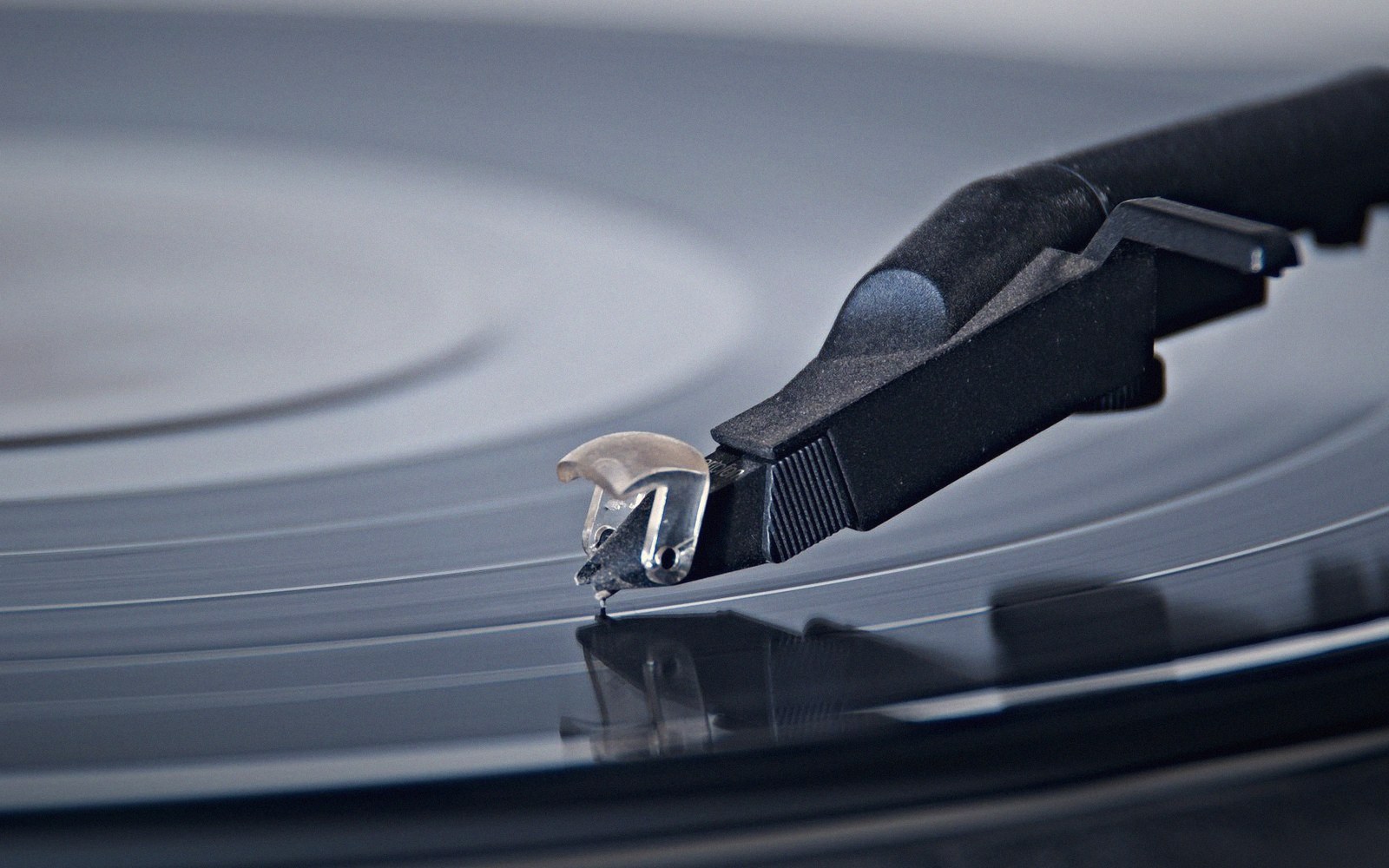
The subtler work involves adjacency. Two pieces with similar surface noise — the scratch and hiss of shellac — placed back to back will merge into one continuous texture, which may be the intention or may be a mistake. Two pieces with contrasting room signatures, placed together, will make both rooms audible in a way neither would be heard in isolation. This is room as reverb operating across the sequence rather than within a single track.
Transition is also a decision: whether a side ends on silence, on an abrupt cut, or on a fade that bleeds into the physical noise of the medium. A locked groove is one answer. A track that simply stops is another. Neither is neutral.
The sequence is where all the prior decisions — what to record, how long to let it run, what to discard — are finally tested. Change the order and you have a different record, from the same material, by the same means.