Pieces · Entry 01
A piece assembled, not composed
The unit of work is not a song with parts but a length of recorded time built out of found and captured material, layered until it holds together. What that changes about how you listen to it.
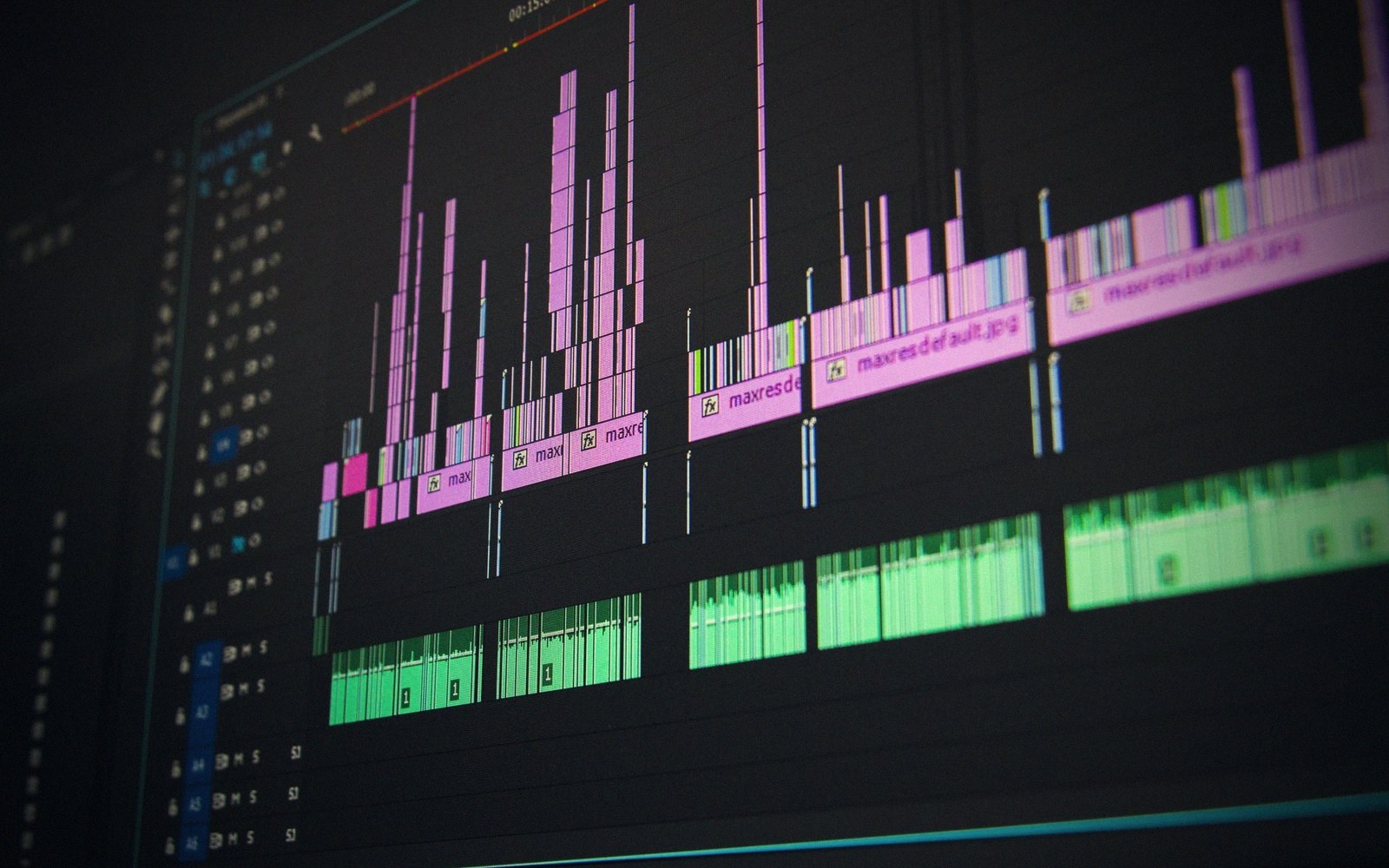
The object has no score
A piece assembled from recorded material starts with a different premise than a composed one. There is no score, no lead sheet, no sequence of pitches arranged in advance and handed to performers to realise. What exists before the work begins is a collection: shellac discs pulled from a crate, field recordings made on a hillside or in a stairwell, lengths of tape that carry room tone, the sound of machinery, the residue of a moment that no longer exists. The compositional act is the selection and arrangement of this material — not the invention of it.
This distinction matters because it changes what the maker is listening for. A composer working with notation is listening forward, anticipating how written instructions will be translated into sound. An assembler is listening backward and sideways — to what is already present in the material, to what two recordings do when placed against each other, to what a layer reveals or conceals when added to a bed that already exists. Duration is not calculated from tempo and bar count; it is felt through accumulation, through the sense that the piece has become something or has not yet. Duration as a decision belongs entirely to the assembler, and the criteria are tactile rather than formal.
What the material already knows
Shellac 78s bring more than audio. The surface noise of a well-played disc is not incidental contamination to be filtered away — it is a carrier of density and historical time, a layer with its own grain and rhythm that sits beneath whatever signal the groove was cut to hold. When a 78 of, say, an early-twentieth-century orchestra is placed under a bowed guitar or a field recording of rain against glass, the crackle does not compete with those sounds. It contextualises them: it says old, worn, found, and it does so continuously throughout the piece rather than at a single declarative moment.
Field recordings carry a different kind of embedded information. A location take holds the acoustic signature of a room or an outdoor space — the decay time of a church nave, the low-end wash of traffic one street over, the particular quality of wind through a specific gap in a wall. The recording was made at a real moment, and that moment cannot be reconstructed. This is what makes field recording irreversible in a way that a synthesised sound is not: the file is evidence. When it appears in an assembled piece, it brings its evidence with it.
Prepared and bowed guitars are different again, because they sit at the boundary between found and made. A guitar prepared with bolts or paper or the back of a comb becomes an instrument that produces sounds its builder did not design — the preparation is a constraint that generates surprise. When bowed rather than plucked, the same instrument holds a note past the point where the body would naturally let it decay, sustaining a pitch that the guitar's physics would otherwise refuse. The assembled piece can use these sounds as objects: fixed events that happened in a room on a particular day, that can be placed in relation to other objects without needing to explain their origin.
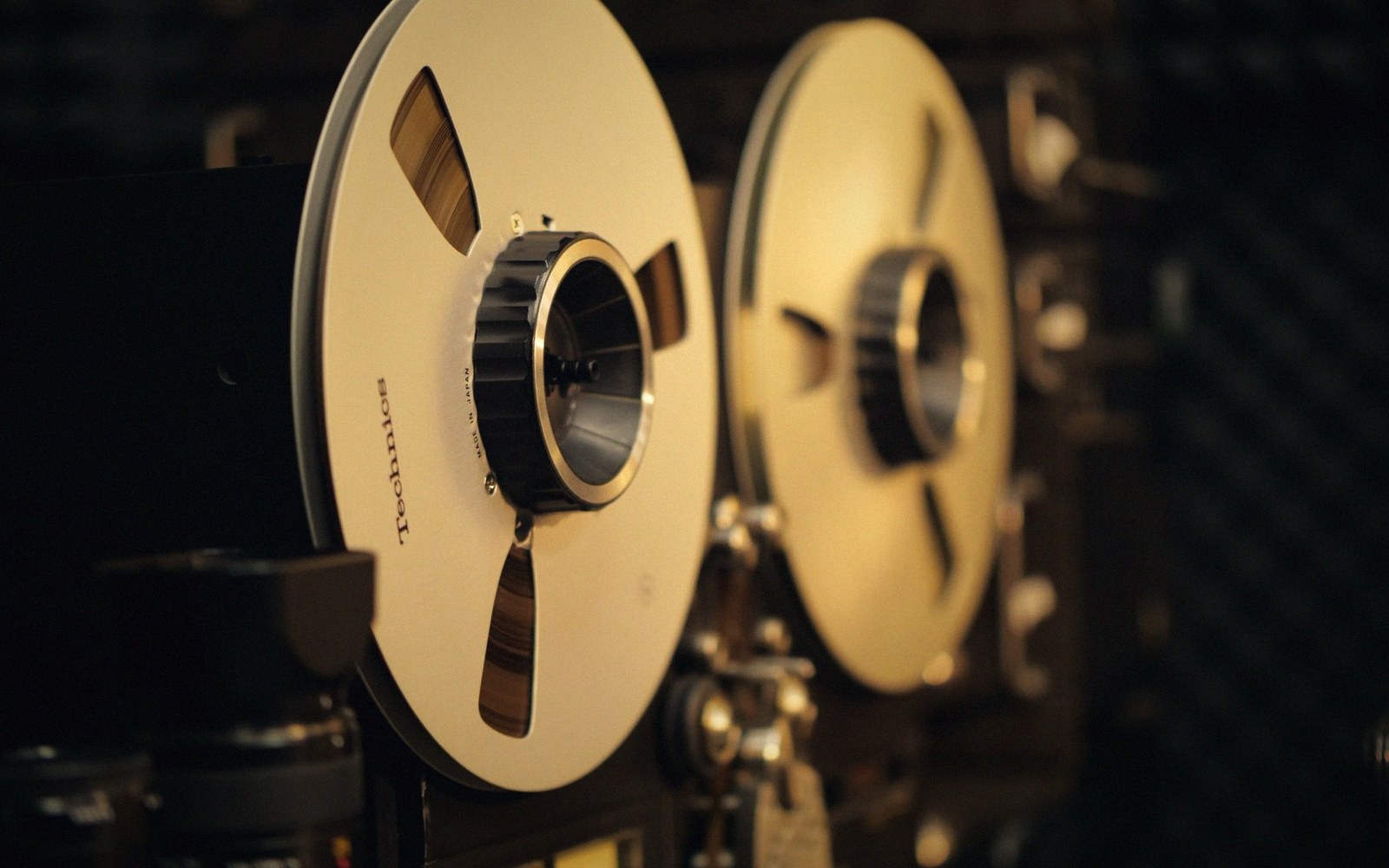
How listening changes
A piece assembled from this material does not ask to be followed in the way a song does. There is no melodic line to track, no chord progression to anticipate, no lyric that structures time by telling you where the narrative is. What you are given instead is a field of simultaneous layers, each with its own character and rate of change, and your attention moves across them rather than along a single thread.
This is not passivity. It requires an active kind of listening that the piece rewards differently at different scales. At the level of a few seconds, you are hearing the relationship between two sounds occupying the same moment — the way a bass drone from a bowed string either conflicts with or absorbs the low-frequency content of a shellac transfer, the way a room recording of near-silence is not actually silent when you attend to it. At the level of minutes, you are tracking the piece's internal weather: when density increases or thins, when a layer that has been present throughout is suddenly absent and the space it occupied becomes perceptible only now that it is gone.
Endings in assembled pieces rarely announce themselves. Because there was no formal beginning — no downbeat, no first theme — there is equally no structural logic demanding a conclusion. The piece can stop because the material has exhausted itself, because a particular combination of layers has become stable and the assembler judges that stability as arrival, or because the work simply chooses to thin to a point where it is no longer there. The long fade is not a default or a failure of resolution; it is a statement about what kind of object this is. It did not begin with a statement, so it does not need to end with one.
Film scoring with assembled material rather than composed themes exploits exactly this quality. A scene carrying dread does not need a minor-key melody to carry it; it needs a sustained texture that holds the dread in the room and refuses to release it through resolution. A drone of bowed strings and room tone does not point at the emotion the way a theme does — it produces conditions for the emotion to arise in the listener without instruction. This is scoring with texture: the cue as environment rather than comment.
The question of authorship
Assembly is not passive, and the materials are not neutral. Every decision about which fragment to place, where to cut it, how loud to bring it relative to another layer, how long to hold the resulting combination before changing it — these are acts of judgment as deliberate as any note written on a stave. The difference is that the raw material arrives with its own history and acoustic character, and the assembler works with that character rather than overriding it with an imposed structure.
The result is a piece that holds together not because all its parts were generated by one voice, but because they were selected and arranged by one ear, listening until the work became coherent. Coherence in assembled music is a different property than unity in composed music. It does not mean all the elements match or share an origin. It means they have reached a state of mutual sufficiency — each layer present because it is necessary, the whole piece holding because nothing can be removed without it becoming something else.