Sources · Entry 05
Provenance
Why every fragment in the archive carries a note on its origin — and what that record actually tells you.
The metadata that shapes the sound
A field recording made inside a 1930s cotton mill carries different weight than the same frequency range synthesised from scratch. The room's acoustics, the machine resonance, the ratio of background hiss to foreground event — none of those things are separable from the fact of the place. Provenance is not decoration. It is part of the material description.
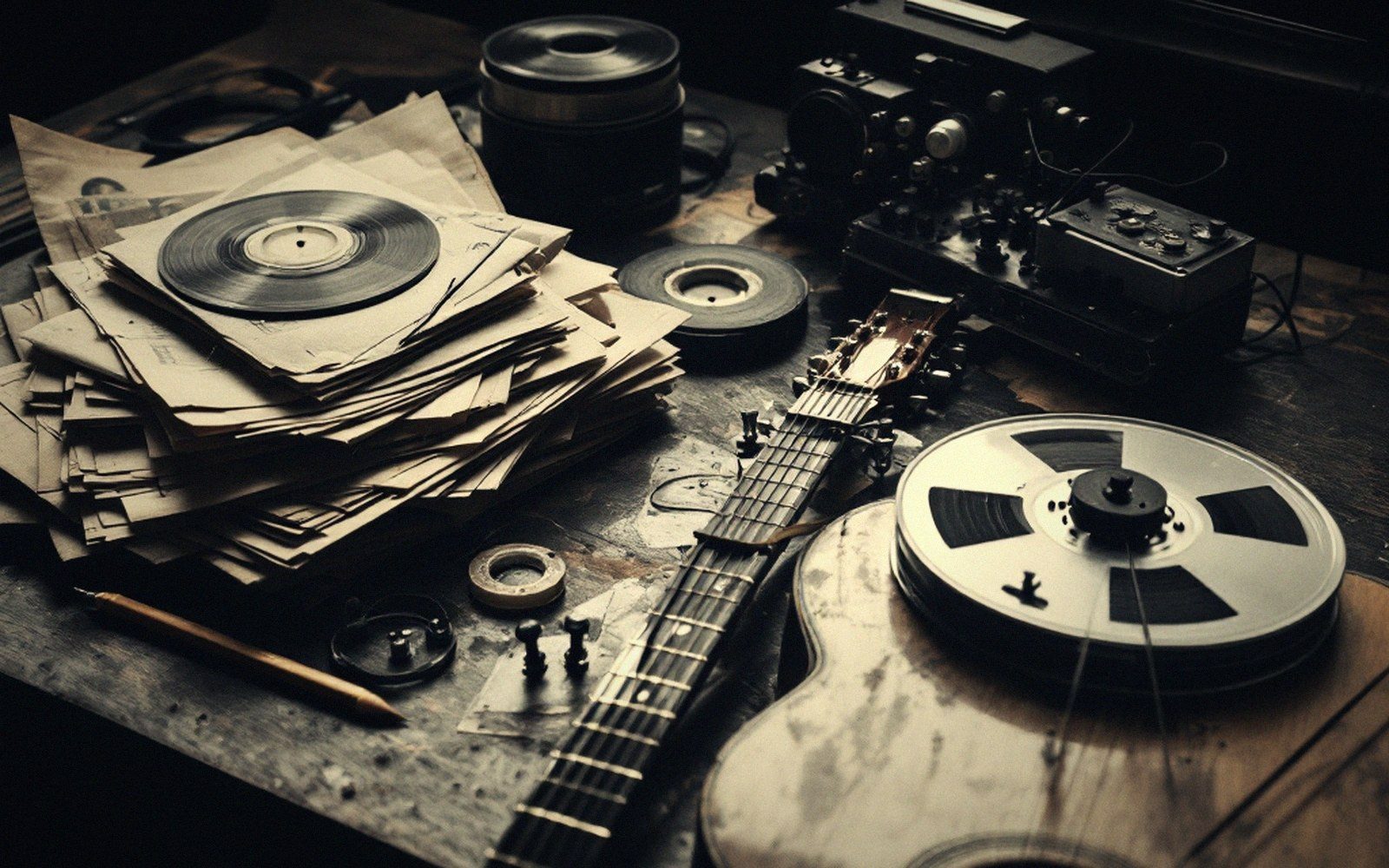
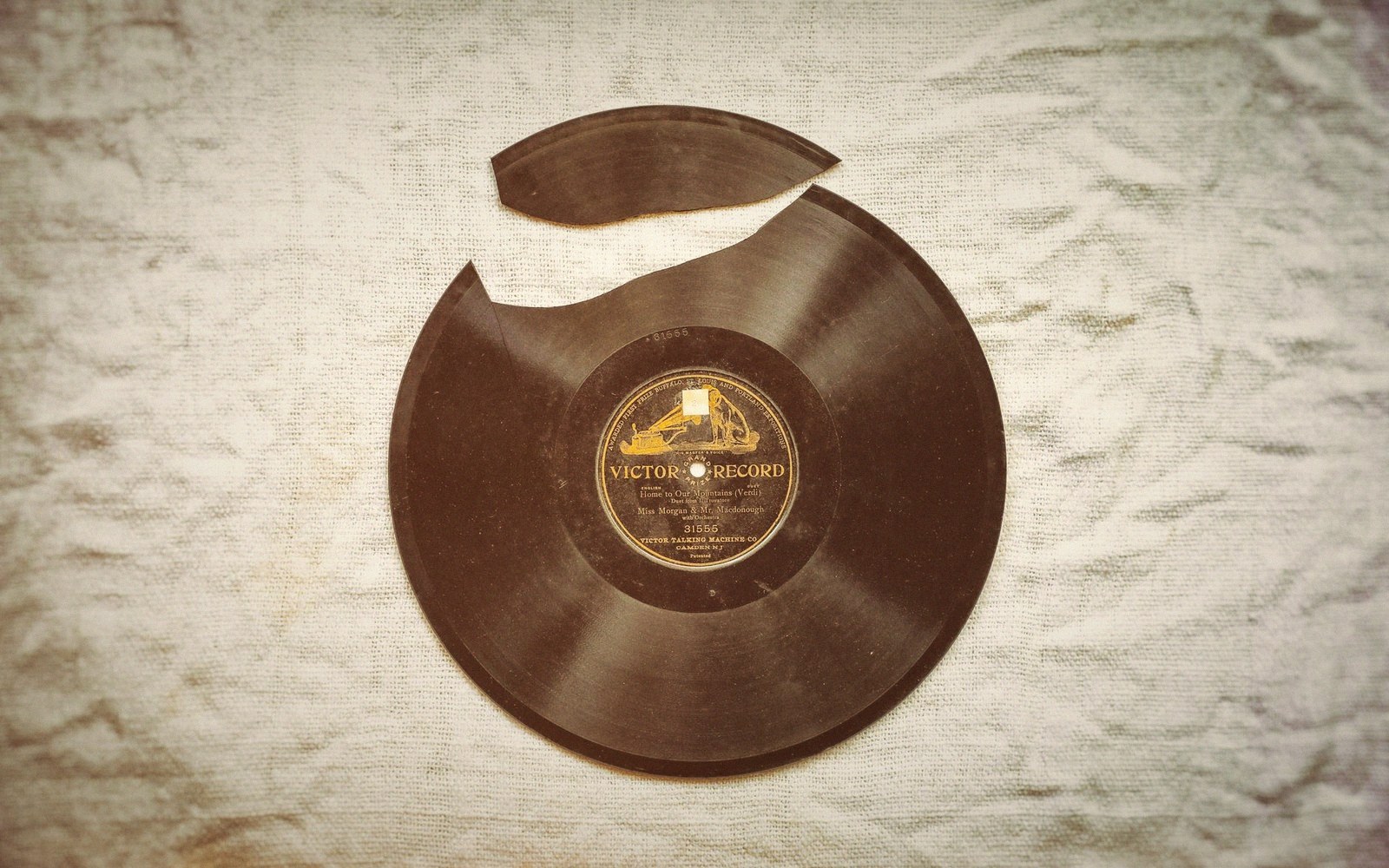
The same principle holds for shellac. A 78rpm disc pressed in Chicago in 1928 arrives with a surface noise profile shaped by the specific compound used, the condition of the stamper, and nearly a century of handling. That noise is not incidental; it is the layer. Noting the pressing, the label, and the condition of the disc is noting the texture itself — the same transfer from a pristine copy sounds categorically different from one made off a worn groove.
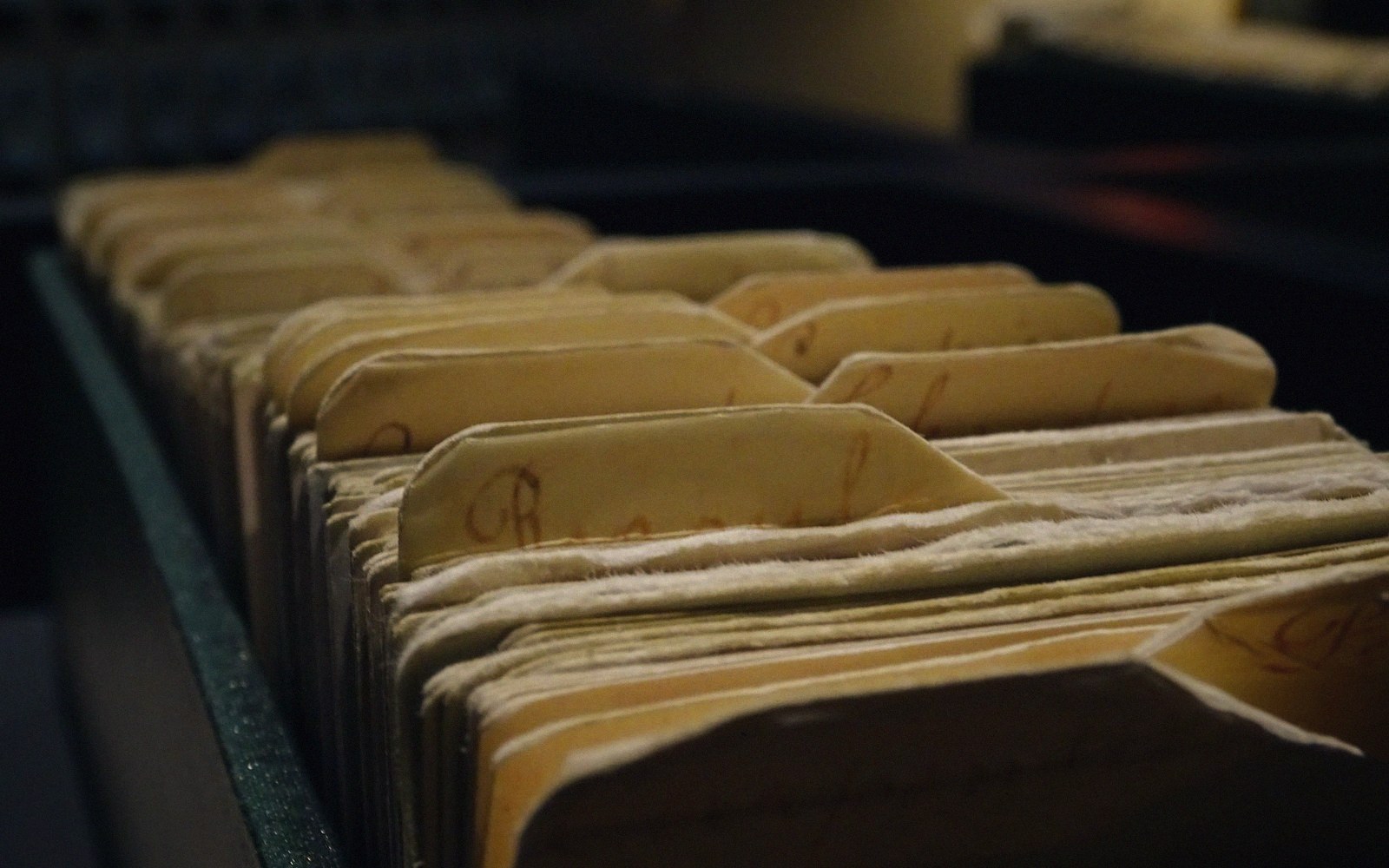
Within this archive, every fragment is logged with three things: what generated it, where or when that source existed, and how it entered the recording chain. A bowed guitar string is noted alongside the object used to bow it and the placement of the microphone. A location recording carries the site, the time of day, and the equipment. This is not pedantry. A dawn recording and a midday recording of the same courtyard are different materials.
The record also catches changes in the chain. If a tape was slowed, that is the source of the pitch, not the original instrument. If a turntable was manipulated during playback, what you hear is the manipulation, and that is what should be described. Attribution that stops at the original source and ignores the processing misrepresents the sound.
Provenance entries are not credits. They do not answer who — they answer what entered the room, and how. The distinction matters because it keeps the archive useful: a future assembler looking for brittle upper-mid frequencies from a narrow-band source can search accurately, rather than listening through everything hoping to recognise something.
The origin of a sound is part of its behaviour. Writing it down is the first act of working with it.