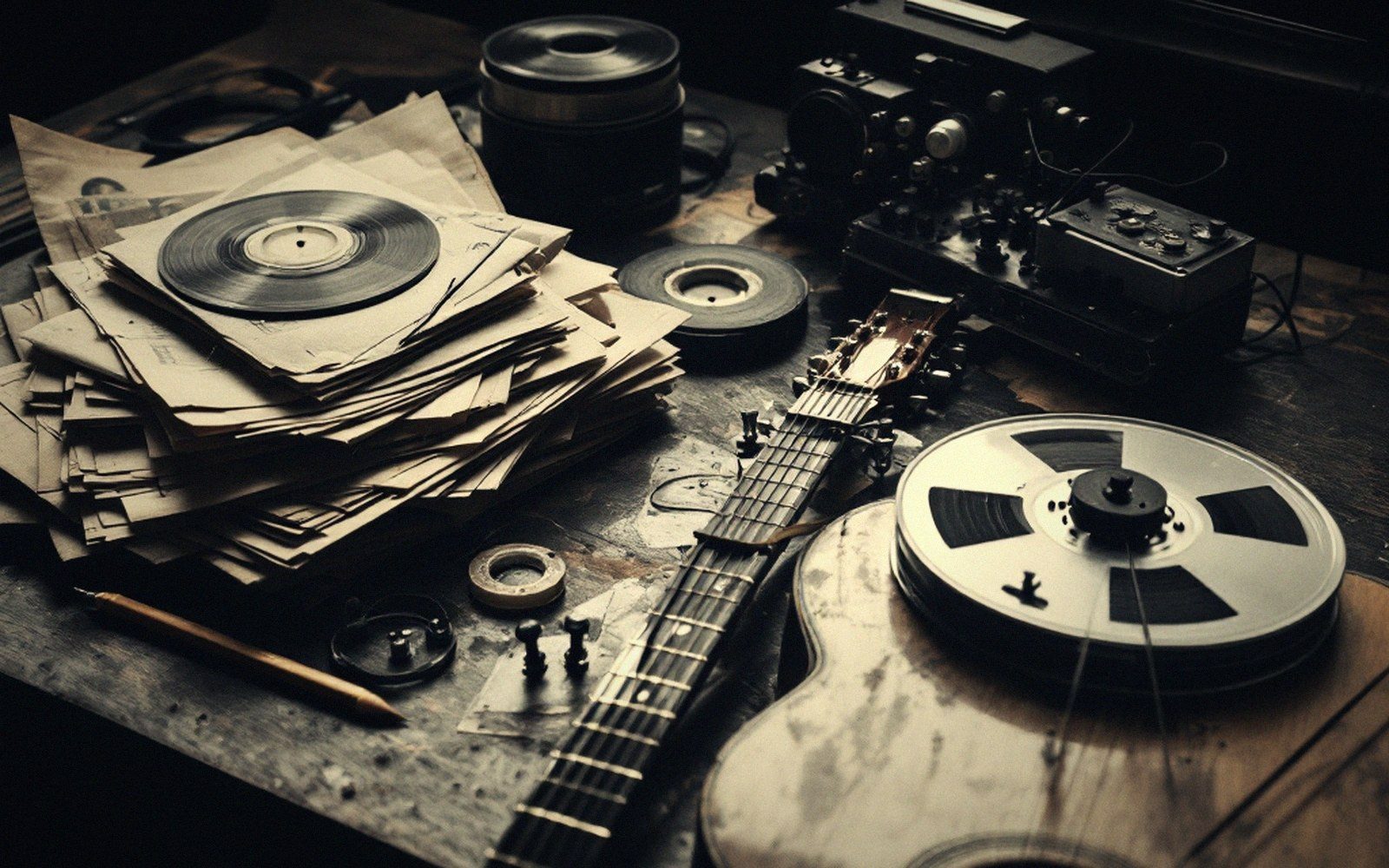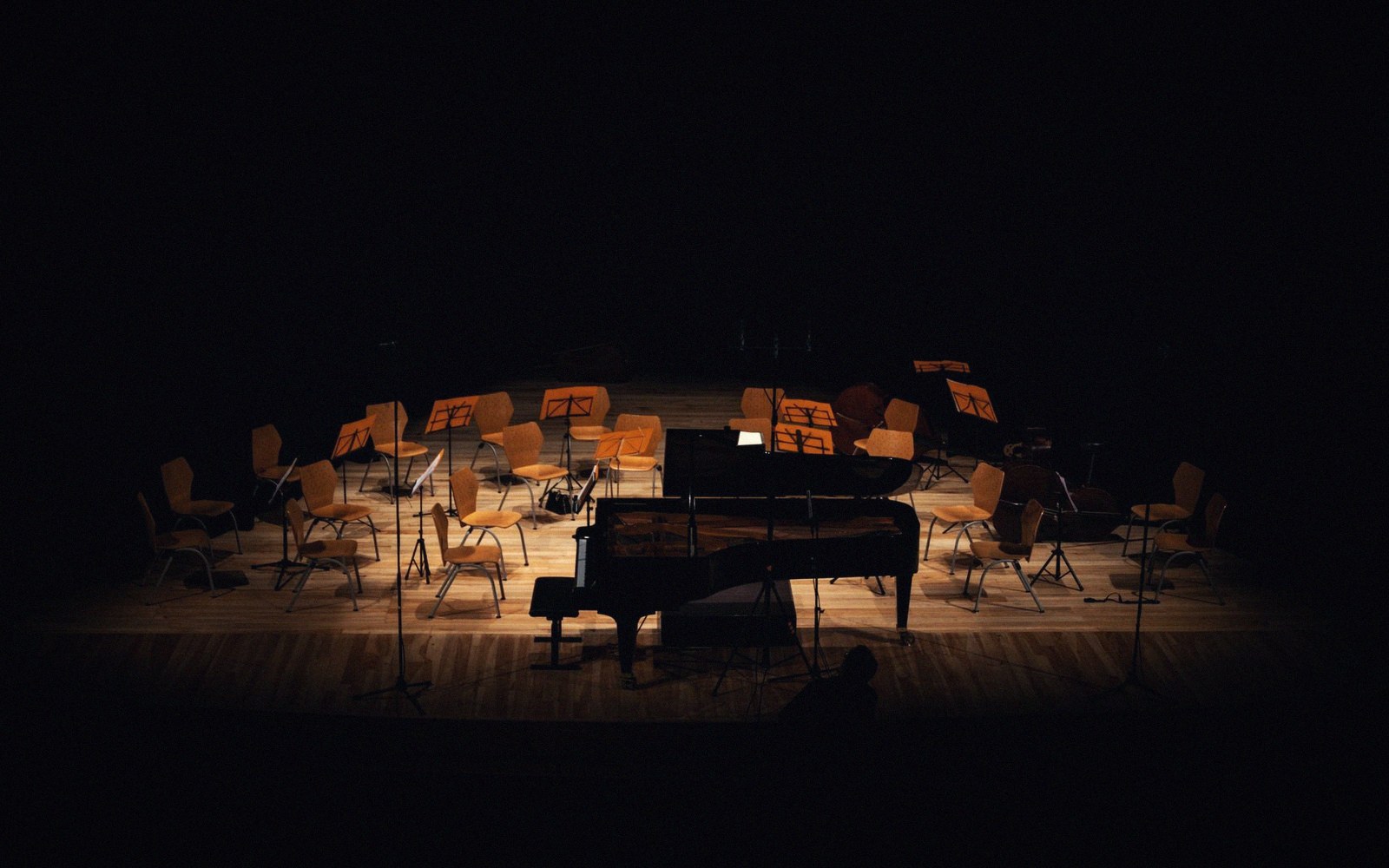
Recording the space deliberately, not correcting for it afterward
A reverberant room and a dry room are not two versions of the same thing. They are two different instruments, and the choice between them belongs at the moment of recording, not in post-production.
The standard workflow points the other way: capture a signal as cleanly as possible, then add artificial reverb — a plate, a spring, a convolution impulse — to taste. The logic is tidy. It leaves options open. But the reverb that gets added later sits on top of the sound rather than inside it. The room that was there when the microphone was open leaves a completely different trace: early reflections that arrive before the ear has finished processing the direct signal, a decay whose tail carries the specific geometry of that space, a low-frequency bloom that no plugin reconstructs convincingly, because that bloom originated in the same physical moment as the source.
This is why a stairwell, a grain silo, a bathroom tiled in the 1940s, or the underside of a bridge is chosen before a note is played. The decision is architectural. Microphone placement becomes a different problem: closer to the source reduces the room's share; further back increases it. Two microphones at different distances and mixed together can set the ratio of direct sound to room without any later processing at all. The room is doing the work.
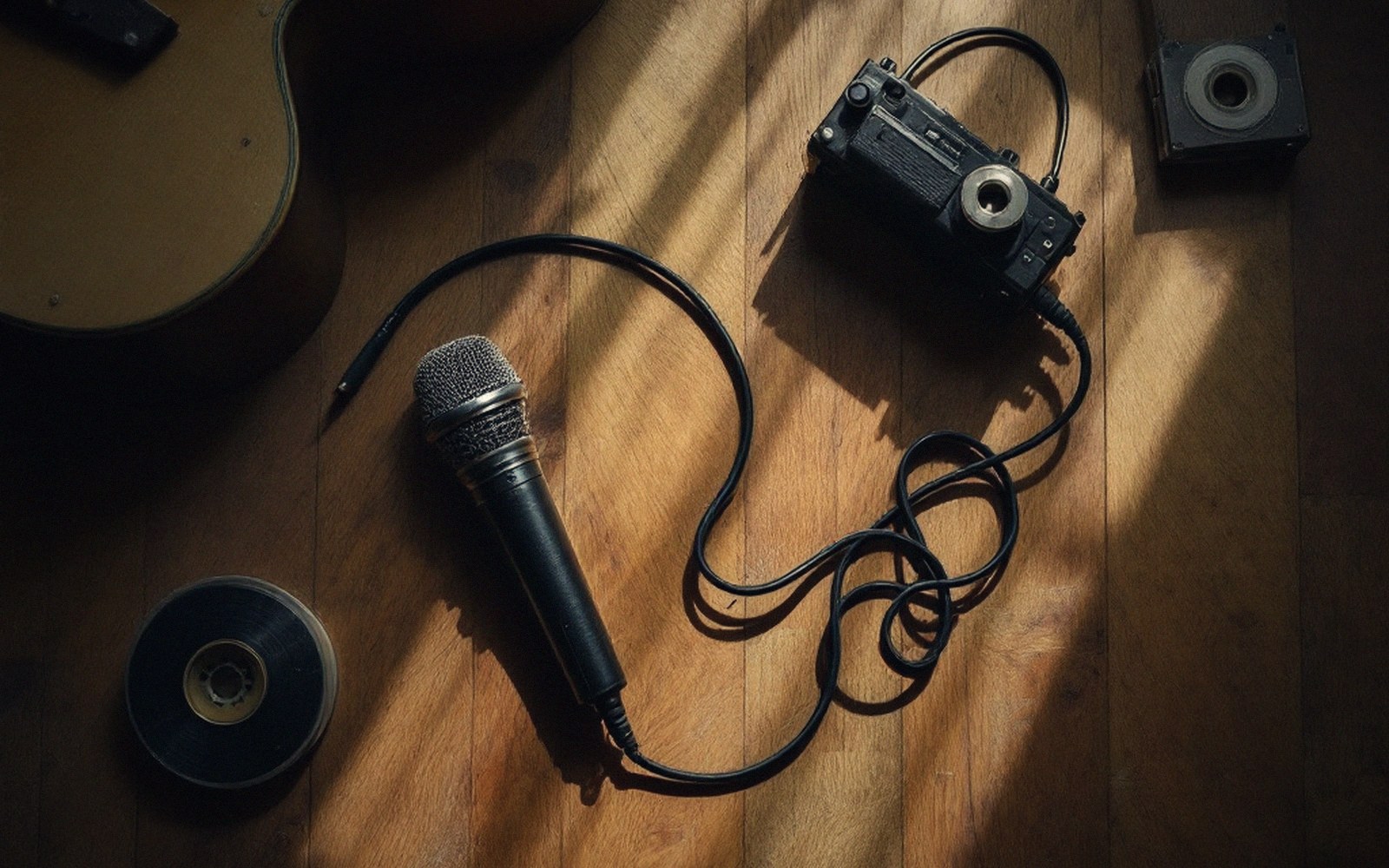
There is no retrieval. A reverb tail baked into the recording cannot be removed, which concentrates attention at the start. Wrong placement, wrong space, wrong moment — it is all permanent. That constraint is also the point: it forces a commitment to the environment that shapes every subsequent decision, including duration as a decision and the silence that might follow.
Some spaces change across a session. A stone church fills differently at dusk than at midday — temperature and humidity shift the decay time measurably. A field recording made in wind carries the space differently depending on whether the room is open or enclosed. These are not problems to solve. They are additional material.
The result is a reverb with a specific address — one that places the listener in a real volume of air rather than an averaged one, and cannot be replicated by reaching for a preset after the fact.