Scores · Entry 01
Scoring with texture
A film cue that carries dread without a theme, a key or a resolution.
A cue that never resolves because it was never stated
Dread in a film cue is usually built from melody: a recognisable phrase that sours, a harmonic progression that refuses to land, an interval — the tritone, the minor second — that carries centuries of coded unease. Texture-based scoring removes all of that. There is no theme to sour because no theme was stated. There is no key to avoid resolving because the cue never established one. What remains is shape, density, surface and time.
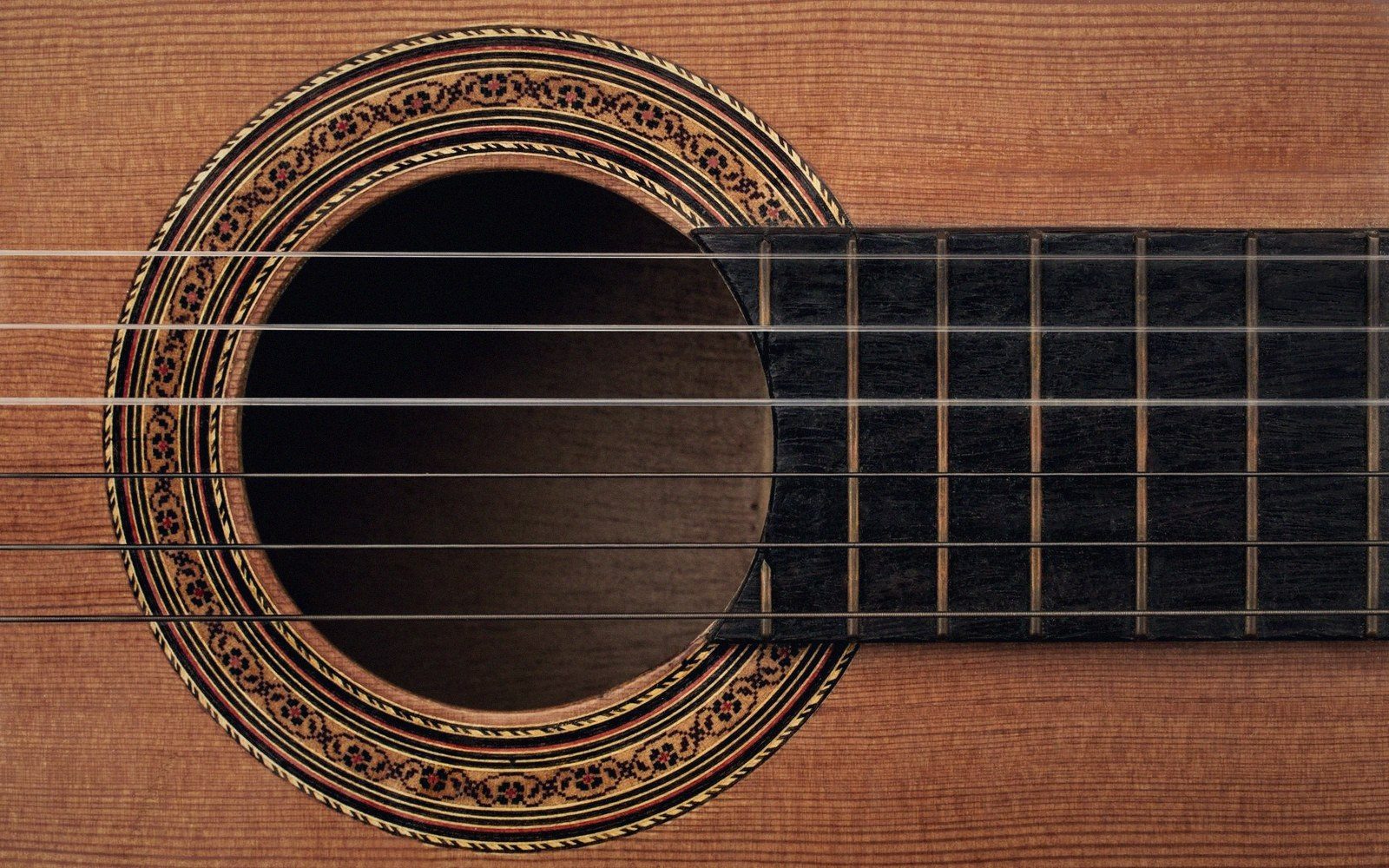
The method starts with the decision not to pitch. A prepared guitar can produce sounds that sit between notes — metallic scrapes, sympathetic buzzing, a bowed attack that blooms rather than decays — and none of them invites the ear to name a frequency. A strip of metal threaded through the strings produces a sound that registers as something tense before the brain has time to assign it to any note. The registration happens at the body before it happens at the mind, and that gap is where dread lives.
Building without a statement
A texture cue is typically constructed in layers, but the layering is not harmonic. Where a conventional score might add a low string sustain, then a mid-range theme, then an accent line, a texture score adds density at one register, then friction at another, then surface noise at a third — and none of these layers is the "melody" that the others accompany. They are all background. That absence of foreground is itself the information: the ear keeps searching for a figure to follow, finds none and remains in a state of quiet alert.
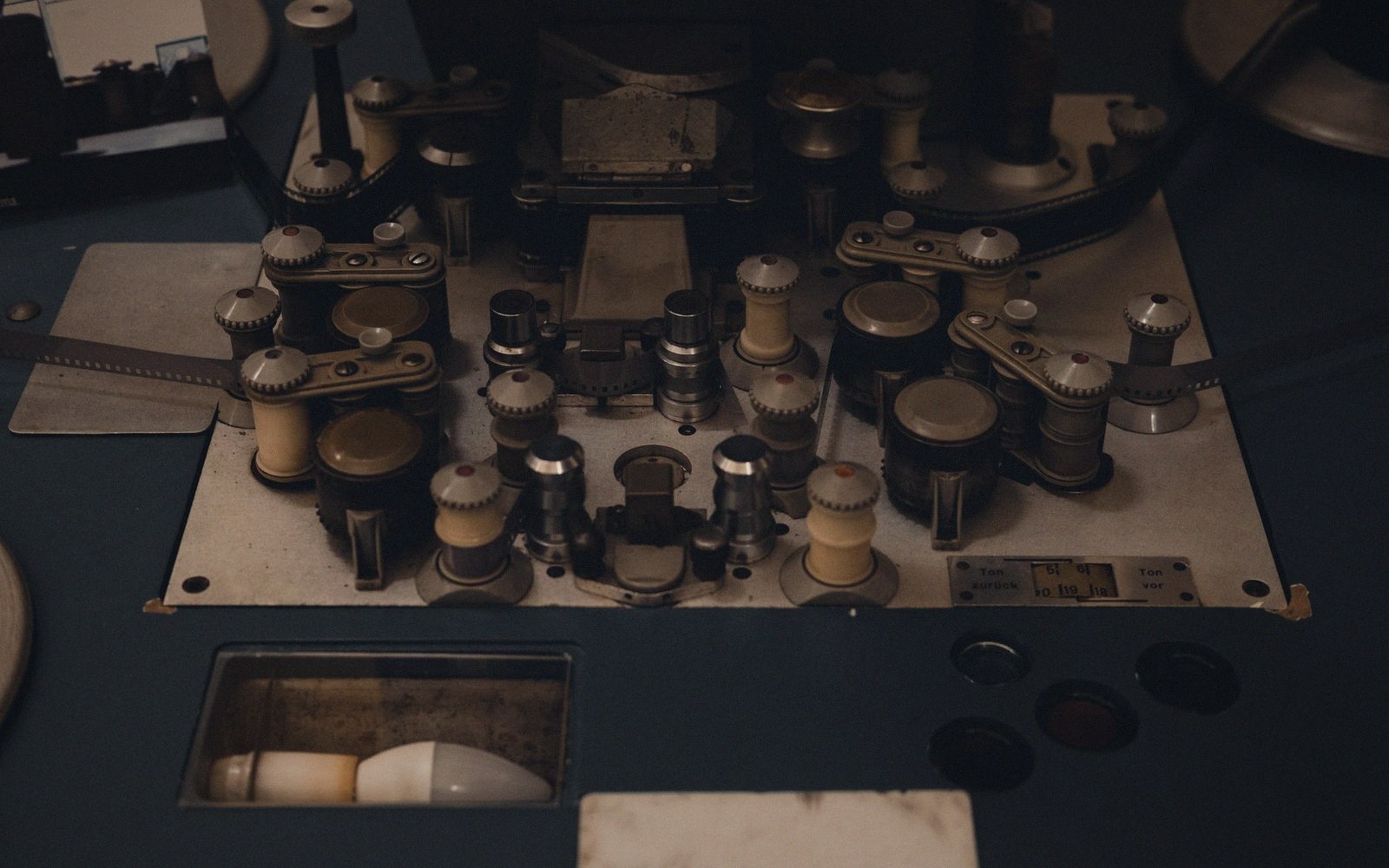
Tape is the common medium for this kind of construction. A short loop running in a space creates a rhythmic irregularity that cannot be anticipated precisely, and small speed changes skew pitch in a way that functions as unease without naming a note. Layering two loops running at slightly different speeds — not locked to a common tempo — produces a slow phase drift that keeps the texture moving without arriving anywhere. The listener cannot habituate to it; the moment they begin to, the relationship between layers has shifted.
Surface from shellac playback can be folded in as a layer in its own right. 78rpm pressings carry a narrow frequency band and a persistent crackle, and both of those qualities sit inside a texture cue without disruption: the crackle is not noise to be cleaned — it is grain, the same way a rough wall behind a subject adds visual depth. Surface noise at low volume contributes a kind of material weight that clean digital silence cannot.
Against the picture
When a texture cue runs against a visual it operates differently from a scored theme, because there is nothing for the editor to cut to. A theme gives the picture a rhythmic structure — a phrase ends, a cut can land there. Texture has no phrase endings. The cue is indifferent to the edit. That indifference is useful: it keeps the picture in an unresolved state, and the audience reads that state as dread even when the image itself shows nothing alarming. What a drone does to a scene describes this mechanism at its simplest; a texture cue extends the same logic into something less stable, because a drone at least has a pitch centre to return to.
The critical decision in a texture cue is not what to include but when to thin it. Density accumulates almost without the audience noticing; removal is the event. A cue that has been running at medium density for ninety seconds and then loses two of its four layers has executed an event — not a crescendo, not a stinger, but a sudden sparseness that reads as something having happened, even when nothing has. Silence as the loudest move is the extreme version of this, but partial thinning is more controllable and often more disturbing, because it leaves something running. The remaining layer carries all the weight of what was removed.
A cue like this does not need a key, a resolution or a theme. It needs a shape across time: a slow accumulation, a moment of thinning, and then whatever the picture asks for next.