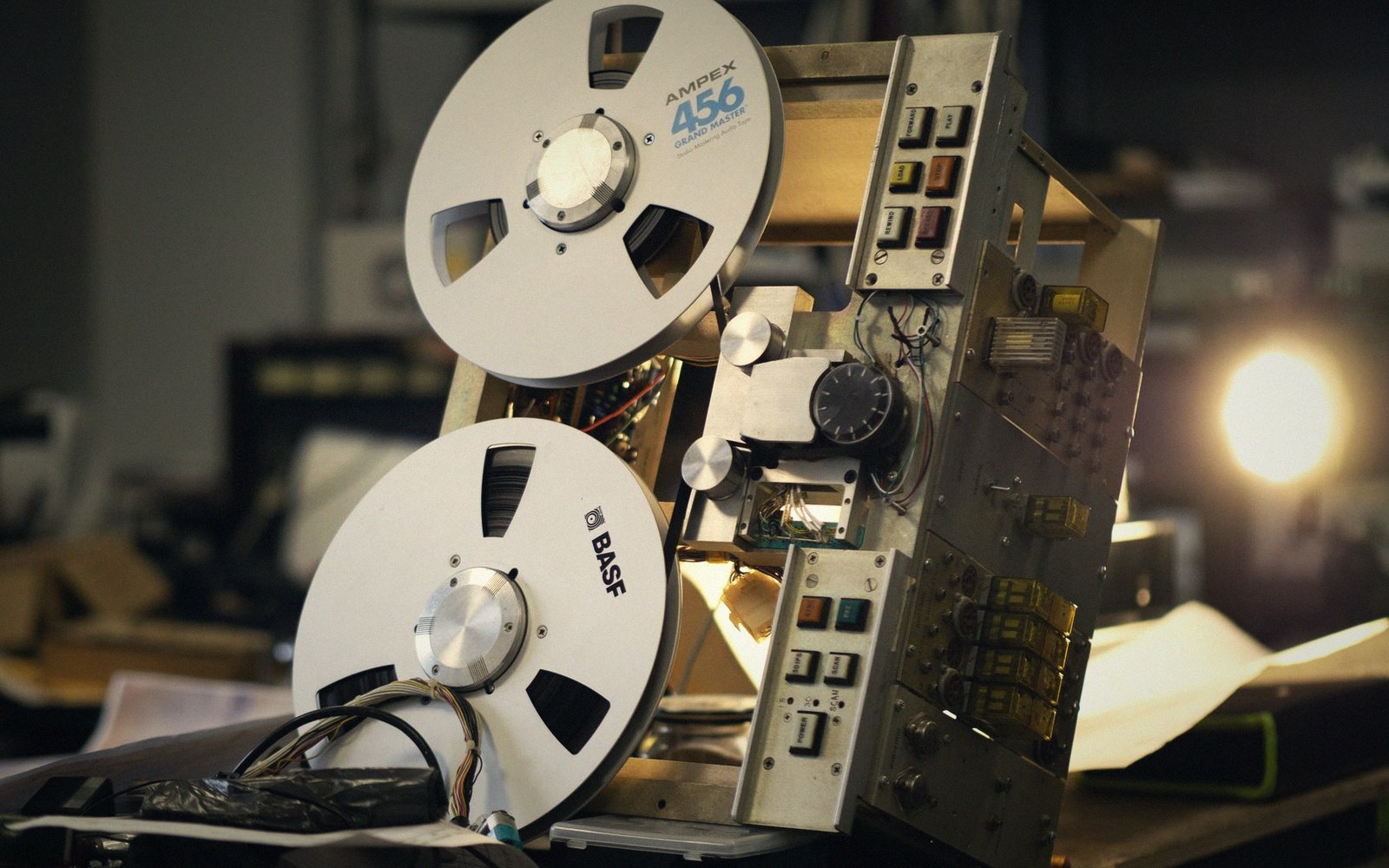
Pieces · Entry 04
Titles as labels
A title that reads like a file stamp rather than a poem is doing a different kind of work.

The naming convention as method
When a piece carries a name like Prepared Guitar with Rosined Bow or Field Recording, Industrial Canal, August, the title is not an invitation to interpret — it is a description of the source. This is a deliberate convention, and it changes the listener's relationship to the work before the first second of sound.
The tradition runs through musique concrète, where Pierre Schaeffer's early pieces were often named for what produced the sound rather than what the sound might evoke: trains, spinning tops, disturbed harmonics. The title functioned as a provenance note. Later practitioners in electro-acoustic music continued it, partly as a refusal of the metaphor-heavy naming habits of the concert hall.
What the label-title does is block a certain kind of listening. If the piece is called November Rain, the ear hunts for melancholy. If it is called Contact Mic on Cast Iron, Variable Speed, the ear hunts for iron and speed — or rather, it stops hunting and simply attends. The name has already discharged the referential function; the sound is free to be itself.
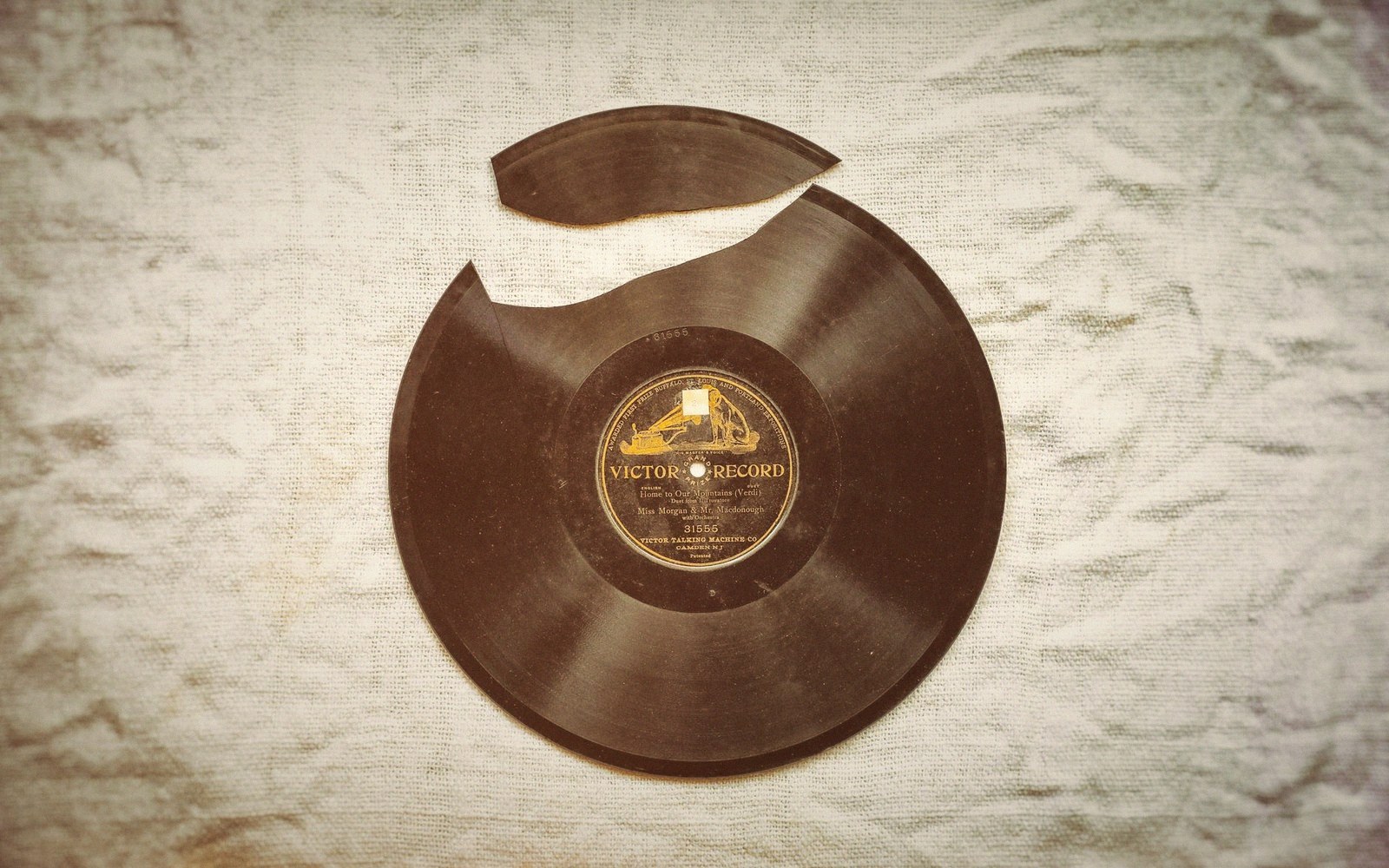
There is a second effect: the label-title is honest about construction. A piece built from shellac surface noise and slowed-down location recordings will say so in the title because the how is inseparable from the what. The method is the subject. This aligns with a broader principle in assembled sound — that the unit of interest is not an emotional content delivered by the composer but a set of materials held in relation. Naming those materials keeps the frame around the method.
The convention also resists the promotional logic of the music industry, which wants titles to sell moods. A label-title has no mood to sell. It tells you the source; you discover the result by listening.
Not every piece follows the rule. Some titles remain abstract, or plainly lyrical. But when a title reads like a catalogue entry, that is not laziness — it is a position.