Methods · Entry 04
The turntable as a source
A record player operated as an instrument rather than a playback device.
What changes when the needle stays down
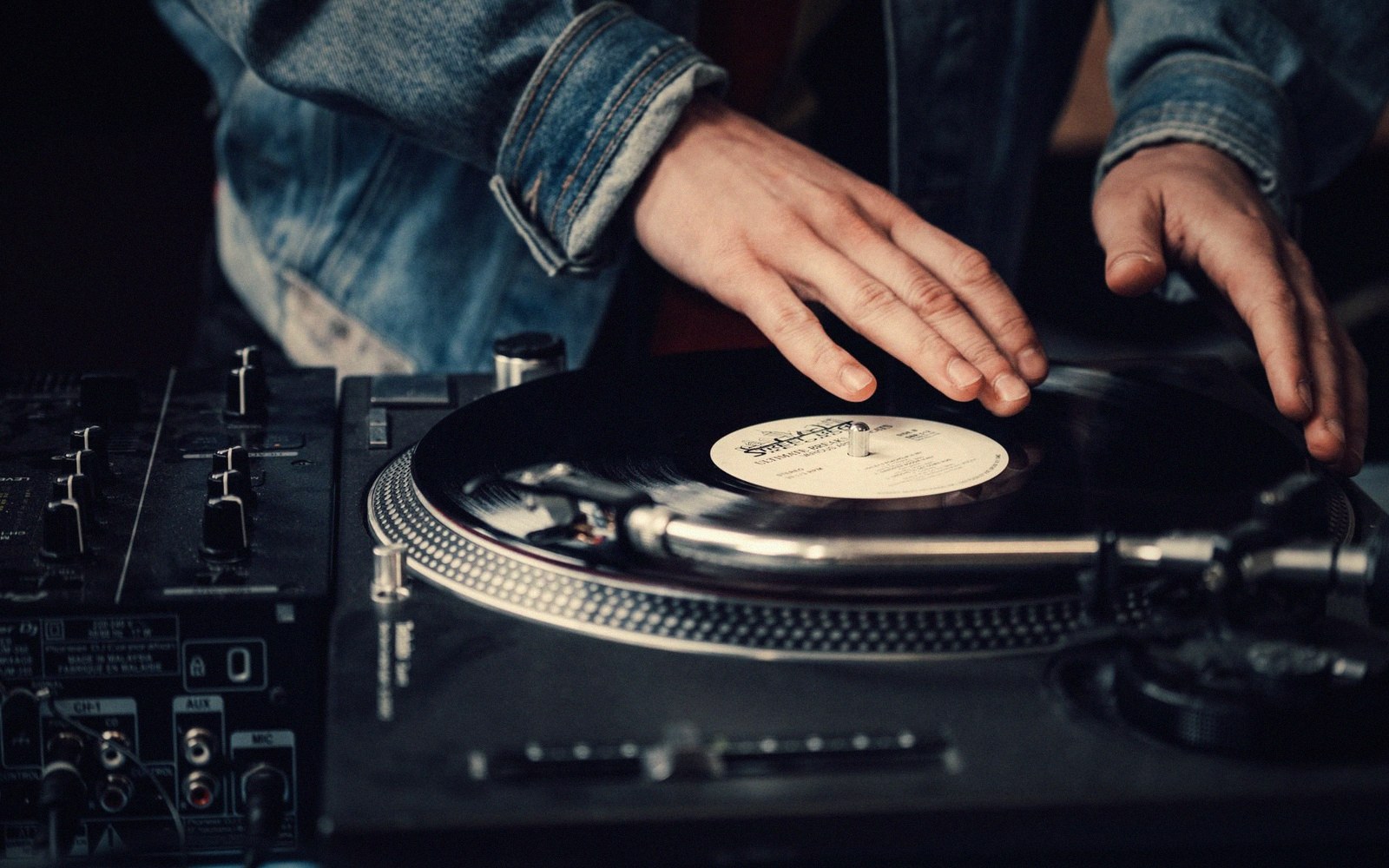
A turntable designed for domestic playback has four variables a maker can manipulate in real time: rotational speed, direction, stylus pressure, and the physical position of the needle in the groove. Change any one of them and the device stops being a delivery mechanism and becomes a generator of new material — pitched, textured, or rhythmically broken depending on how far the manipulation goes.
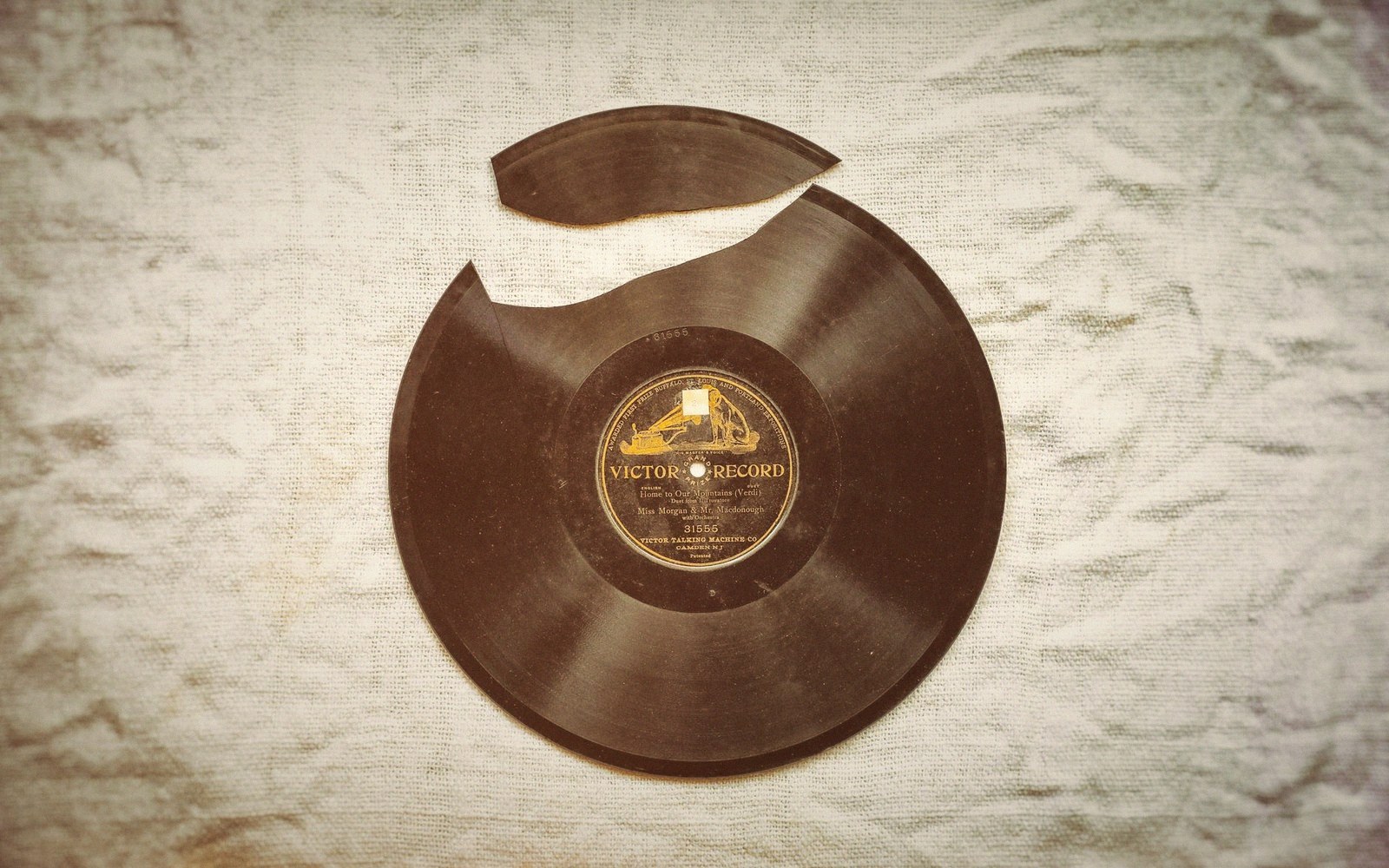
Speed is the most immediate lever. Slowing a 33rpm disc below its rated speed drops the pitch and stretches the envelope of each recorded transient; the attack of a struck piano note softens, the tail lengthens into something almost bowed. Running a disc faster than its rated speed does the inverse — compresses the decay, sharpens the attack, and raises pitch in a way no subsequent EQ can replicate, because the harmonic relationships shift together rather than independently. The shellac surface of a 78 responds to these changes differently from vinyl: the narrower frequency band and higher surface noise mean that speed reduction turns the crackle into a low flutter with its own rhythmic texture, not just an artifact to be filtered.
Dragging a finger against the platter edge introduces friction-based variation — the pitch wobbles rather than shifts cleanly, producing a smear that sits between vibrato and wow, useful precisely because it falls outside what any plugin models convincingly. Lifting and re-dropping the needle mid-groove creates a controlled skip: not a mistake but a splice made in real time, with the imprecision built into the physical act. The needle never lands exactly where intended, and that residual unpredictability is part of the material.
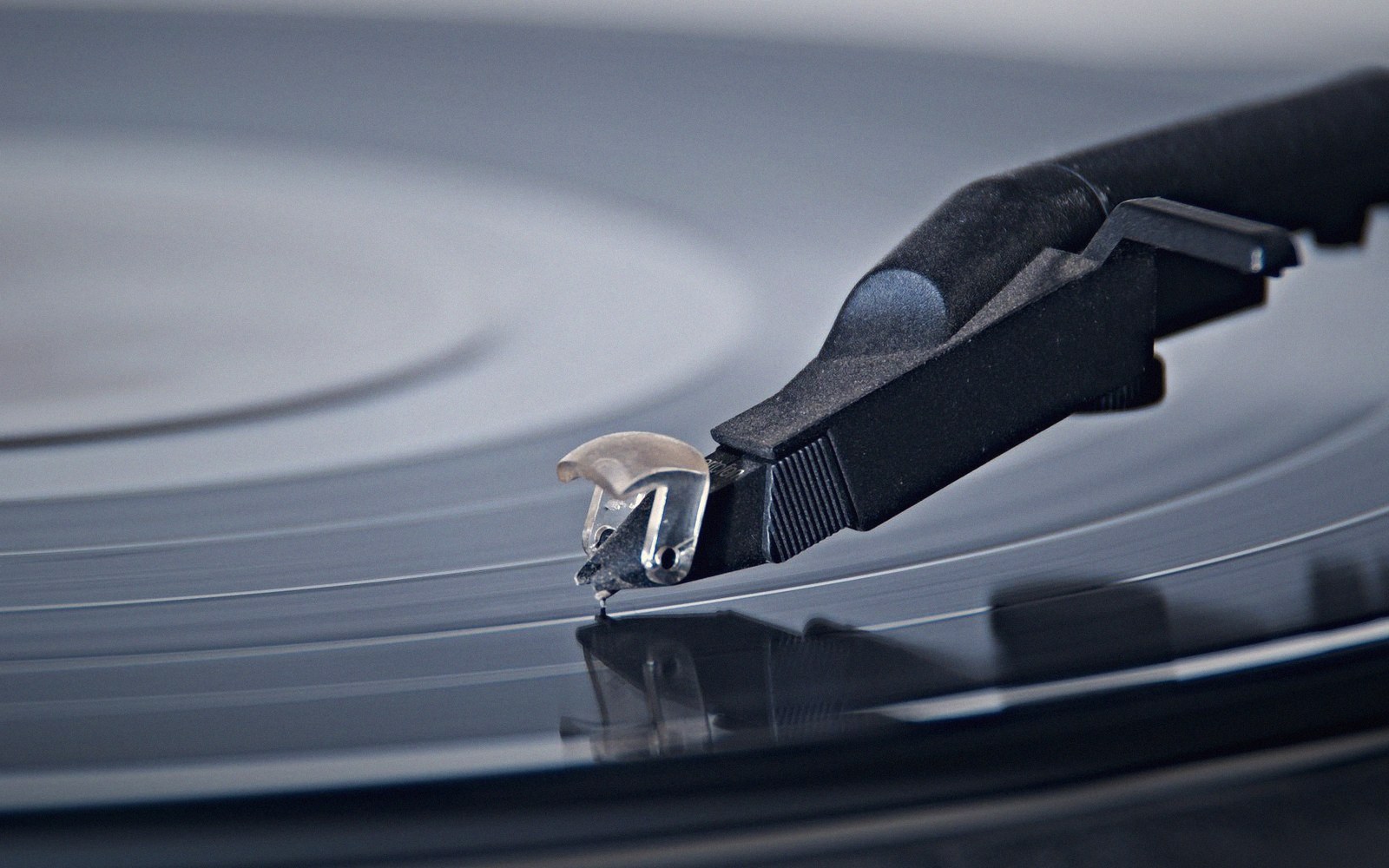
Playing a disc backwards — achieved by manually reversing the platter — reverses the amplitude envelope of every event on the recording. Decay becomes attack, attack becomes silence. A spoken phrase, reversed, yields a shape that carries the cadence and stress patterns of speech without the semantic content — a quality that makes reversed speech useful when texture, rather than melody, is the goal.
The turntable, in this reading, is close kin to a prepared instrument: the machine is not changed, but the conditions of its use are. The groove becomes a score that the operator chooses not to follow exactly.