The logic of sustained decay
A plucked string reaches its loudest point at the moment of attack and loses energy from then on. The physics is fixed: the string pulls back on the finger or pick, the energy transfers to the body and air, and the note falls away. Every string instrument built for plucking — guitar, harp, koto, dulcimer — is in this sense a machine for making envelopes that only ever go down.
A bow changes the contract. Instead of a single impulse, the rosined hair catches and releases the string in a rapid alternating grip — stick-slip friction at a rate too fast to hear as rhythm — and the result is continuous excitation. The note neither rises nor falls on its own; it sustains for as long as the stroke continues. Duration becomes a decision the player makes in real time rather than one the physics makes for them.
On a prepared guitar, bowing opens up territory that plucking cannot reach. A double bass bow drawn across a wound steel string produces a tone richer in upper harmonics than the same string plucked, because the continuous excitation keeps more of the resonant modes active. An ebow — an electromagnetic sustained device, not a bow but mechanically analogous — does the same thing electronically, sustaining indefinitely without the rosin and the moving arm. Both approaches strip the attack transient from the resulting sound, leaving something the ear tends to read not as a note that started but as a note that was already there.
That perceptual quality — the sound arriving without announcing itself — is what makes bowing useful in texture-led scoring. A plucked note places an event in time; a bowed note places a condition. The distinction matters for scoring with texture: where a plucked string might accent a cut, a bowed one can thicken the space between cuts without pointing at anything.
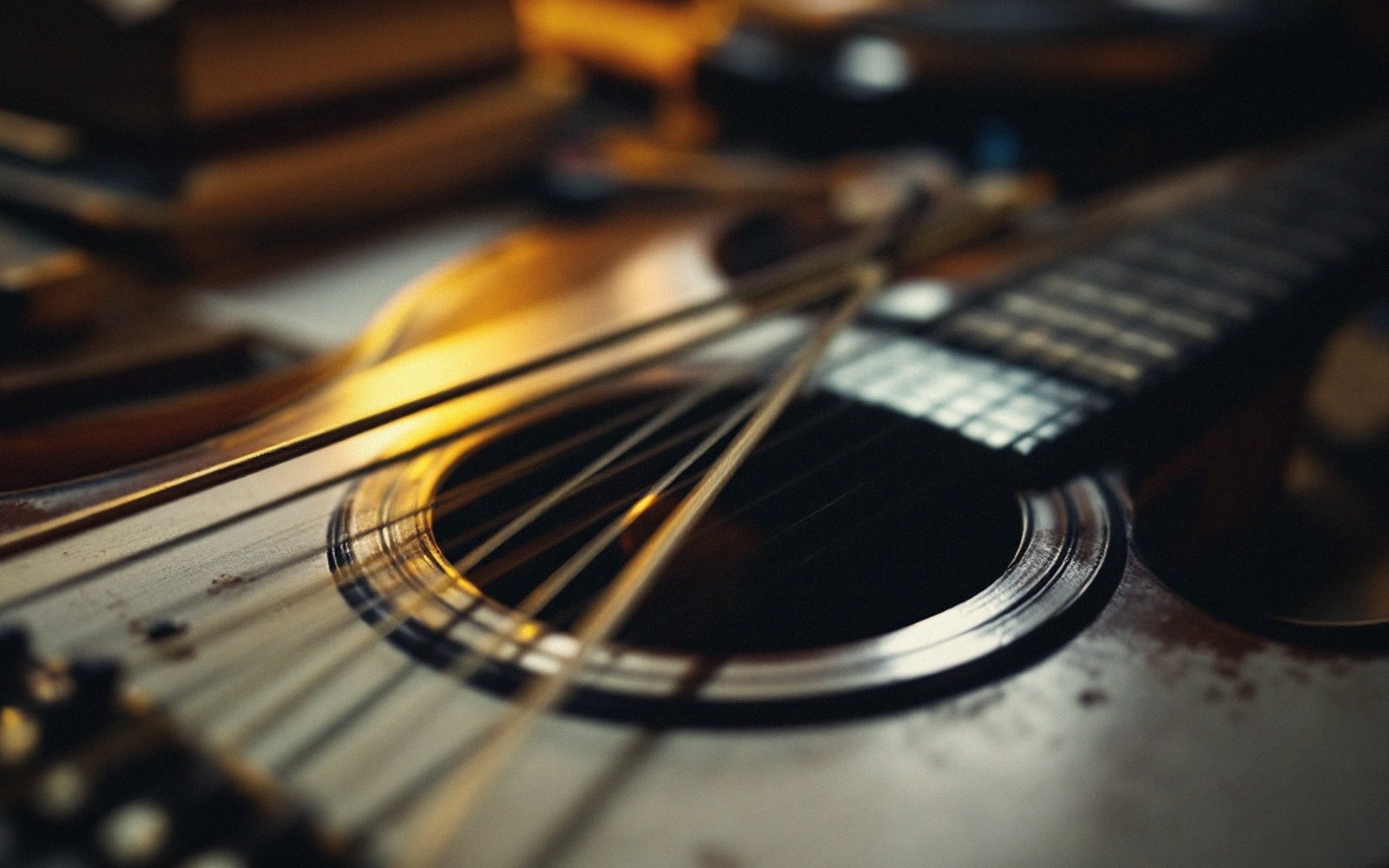
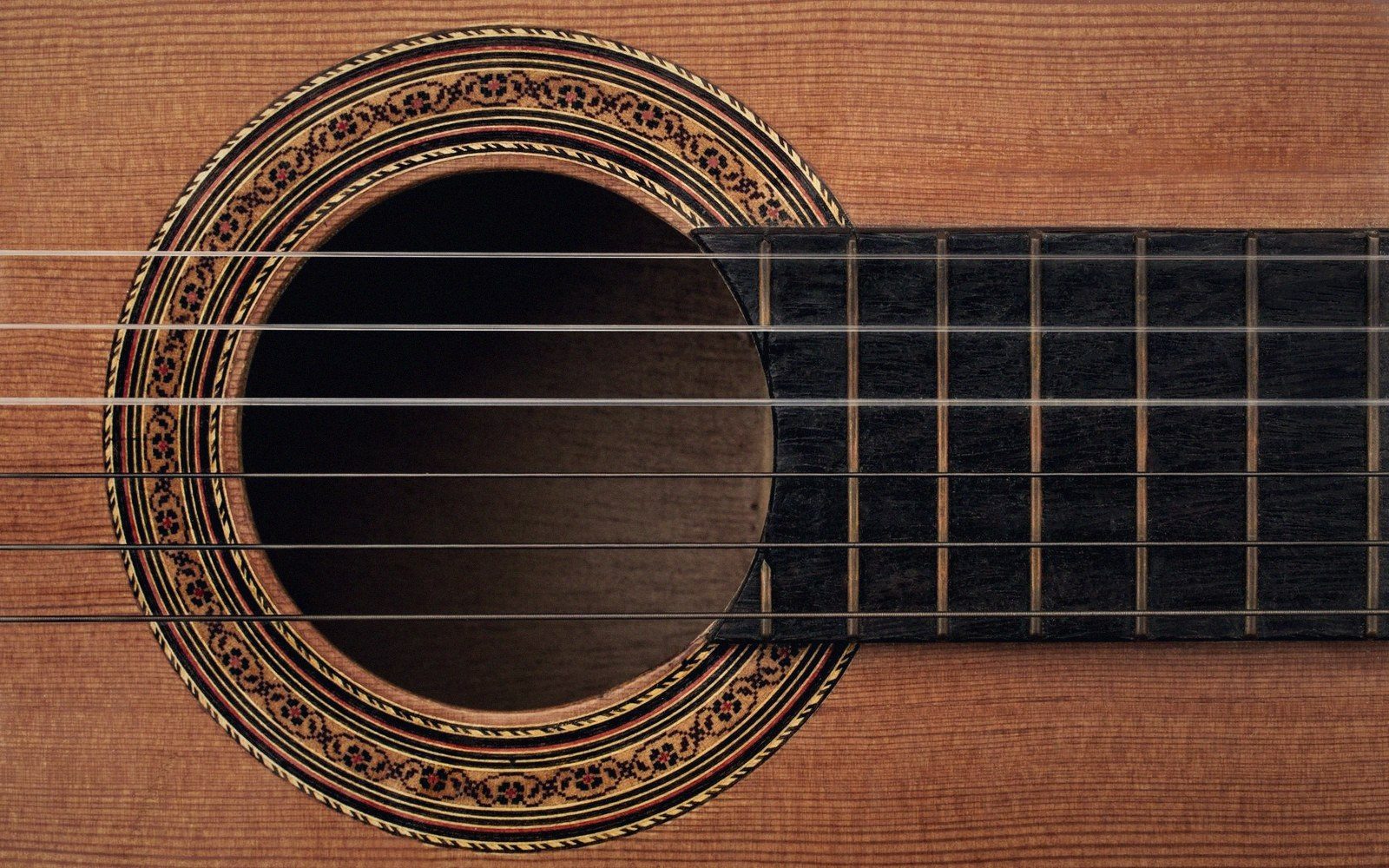
Objects placed on the strings before bowing alter the response further. A glass slide or a metal ruler damps some partials and amplifies others, making the overtone content unpredictable and varying with bow pressure and position. The bridge and the soundhole represent the two poles: bowing close to the bridge produces a glassy, narrow tone full of upper partials; moving the bow toward the soundhole opens the tone and brings in the fundamental.
The instrument does not become a cello. It stays a guitar, or a harp, or whatever the original object is — but temporarily freed from the envelope physics it was built around.