The cut to nothing
A held drone, a scrape of prepared guitar, even a low room tone carrying below the threshold of attention — all of it creates pressure the listener adjusts to without noticing. Pull it out completely and the adjustment inverts: the ear reaches forward, the body tightens. Silence in this context is not absence. It is a different kind of material, and it behaves differently depending on what it follows.
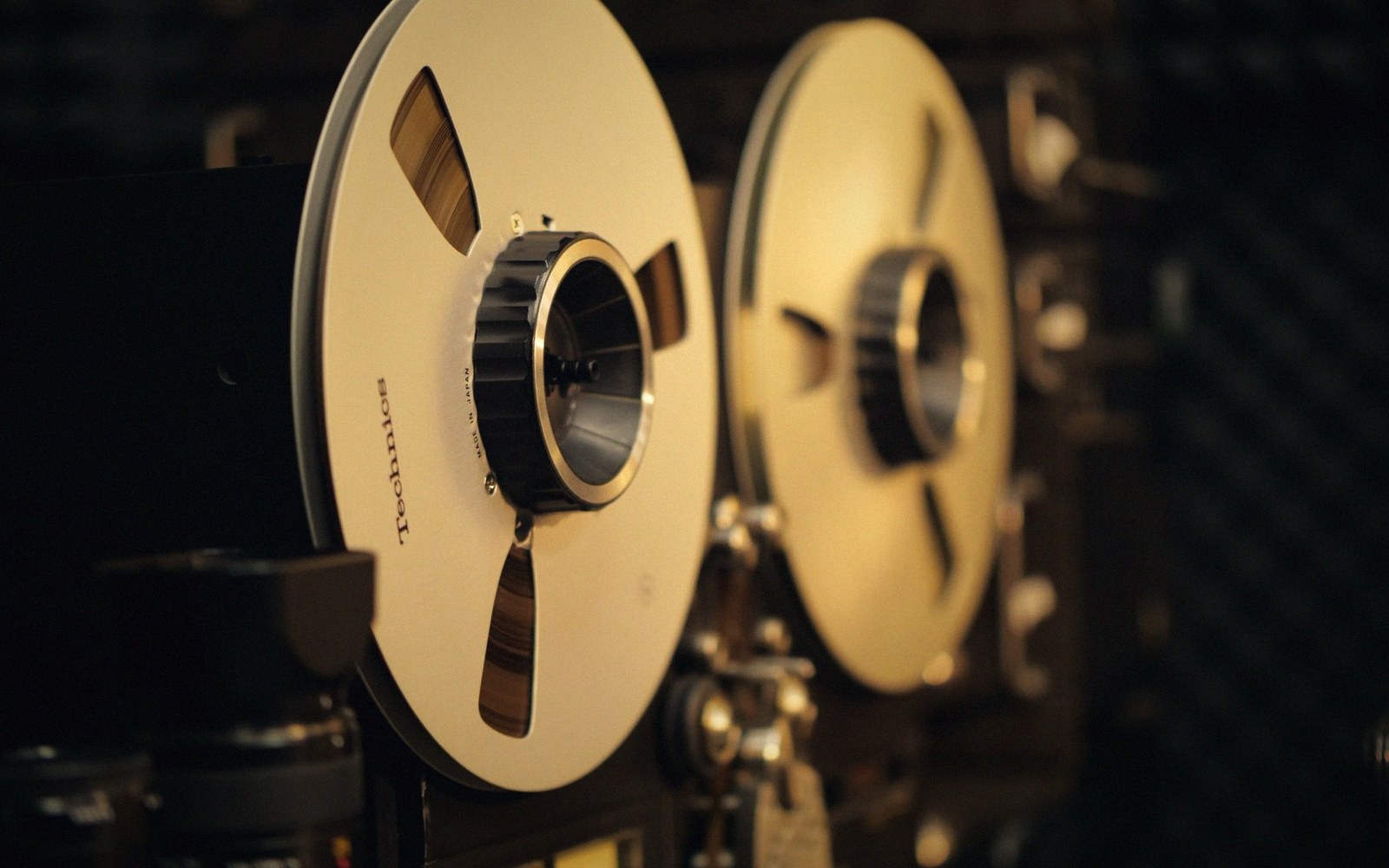
The practical mechanics are worth holding in mind. What passes as silence in a mixed score is rarely flat zero. Reel-to-tail hiss, the faint breath of a room captured during takes, a 60Hz trace left by the playback chain — these are still present on the track. True silence, the kind that registers as a cut, requires all of it to stop at once. That totality is the cue. The brain distinguishes between quiet and nothing, and reacts to nothing as an event.
Used sparingly, a full cut at a critical frame can carry more weight than any composed passage. A scene building toward confrontation, scored throughout with surface noise and low bowed tones, arrives harder at its moment if the sound drops entirely than if the music swells. The visual carries alone. The viewer, deprived of acoustic information, fills the gap with whatever the image offers — and whatever anxiety they arrived with.
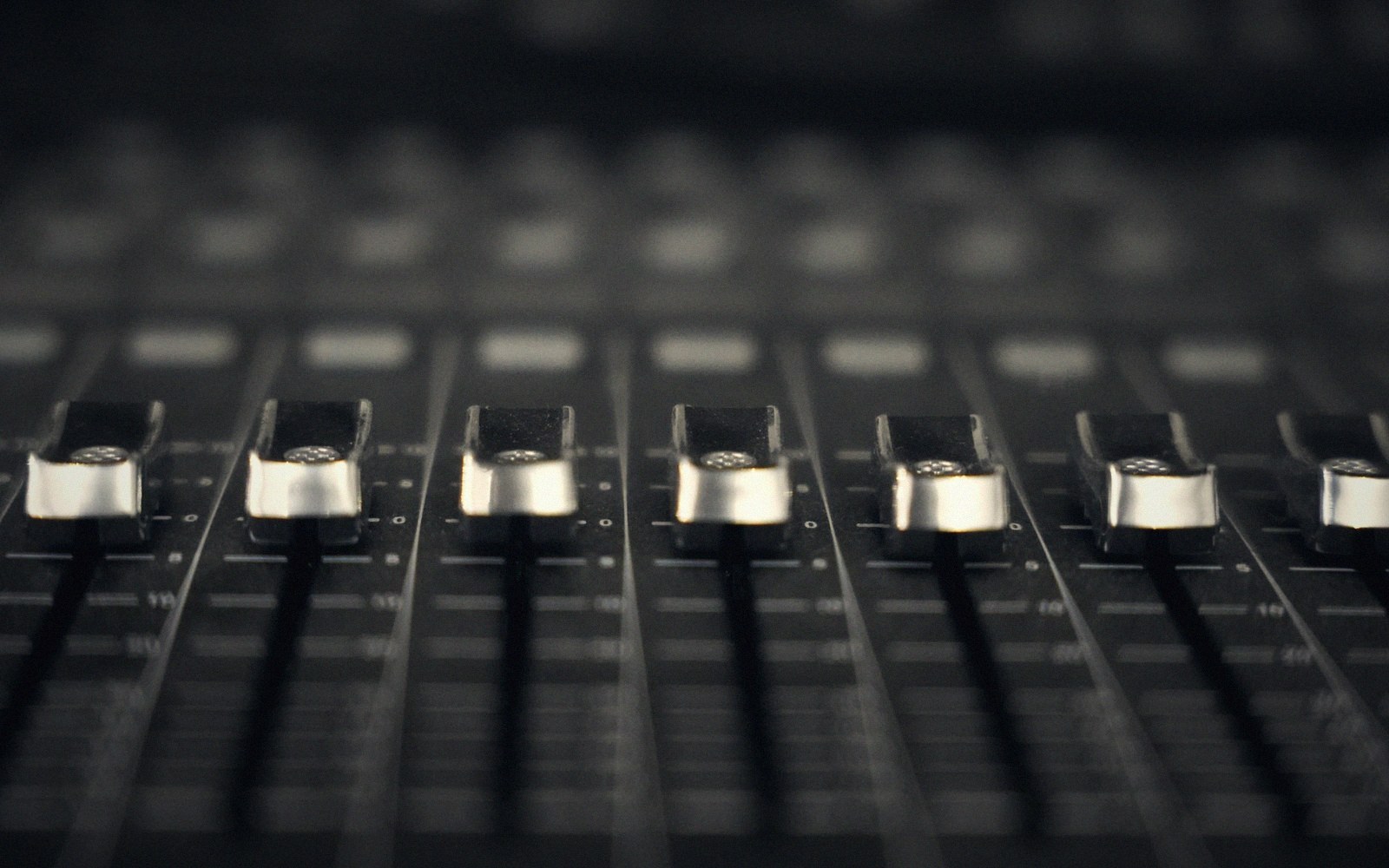
The duration of the silence is the compositional decision. Two seconds is noticeable. Five is vertiginous. Much longer and the cut begins to read as a technical fault, which is its own effect, intentional or not. Reentry matters equally: a sudden reintroduction of full texture lands like an impact; a slow fade back in suggests continuation, as if the world reassembled rather than resumed. Either way, the silence has changed what follows, the way a rest in notation changes the weight of the note that ends it.
Scored silence is not a default. It costs the listener something, and that cost is the point.